
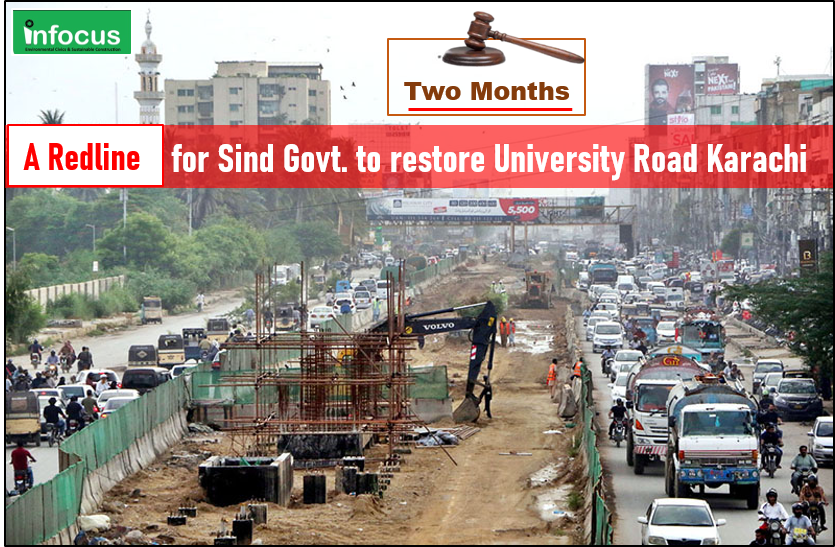
The long-awaited Sindh High Court directive issued on May 7, 2026, giving the Government of Sindh a two-month deadline to restore Karachi’s shattered University Road, has once again brought the troubled Red Line BRTS project under intense public scrutiny. Once promoted as a transformative urban transport initiative that would modernize Karachi’s transit infrastructure, the Red Line Bus Rapid Transit System has instead become a symbol of delay, poor planning, environmental damage, and administrative inefficiency. Karachi deserves, indeed, modern transport infrastructure, but development shouldn’t be come at the cost of endless public misery. Infrastructure projects are meant to improve urban life, not paralyze it for years. The devastation caused to University Road Karachi has already left a deep scar on public trust.
University Road Karachi:
University Road Karachi, one of the metropolitan’s busiest and most important arteries, connects major educational institutions, hospitals, residential areas, and commercial zones. It serves millions of commuters daily, including students, office workers, traders, and emergency vehicles. However, years of incomplete excavation, broken roads, dust pollution, traffic congestion, and poor drainage management have turned the route into a nightmare for citizens.
The Red Line BRTS was originally envisioned as a sustainable and eco-friendly mass transit project aimed at reducing Karachi’s transportation burden. The project, which began in 2022 and was originally slated for completion in 2024, remains largely unfinished as of mid-2026. Yet the execution of the project has exposed serious governance failures. The first and most visible fault has been the prolonged delay in construction timelines. Citizens were repeatedly assured that major sections would be completed within a specific period, but deadlines have consistently shifted without accountability. Every passing month has increased public frustration and financial losses for businesses operating along University Road.
Insensible Urban Planning :
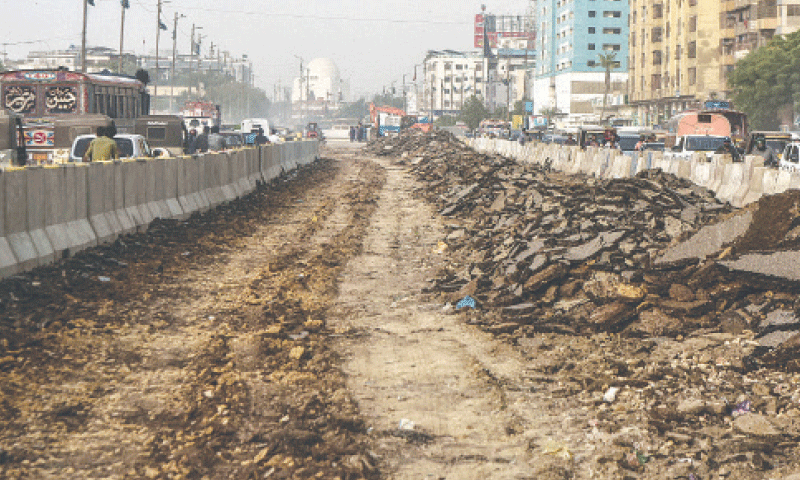
Another major issue lies in the apparent lack of coordinated urban planning. Construction work has frequently been carried out without proper traffic diversion arrangements. As a result, commuters face hours-long traffic jams daily. Ambulances struggle to move through blocked roads, students arrive late to universities, and commercial activities have sharply declined in surrounding markets. Instead of easing transportation problems, the incomplete project has intensified them.
The condition of the road infrastructure itself reflects alarming negligence. Large sections of University Road remain dug up, uneven, and dangerous for motorists and pedestrians alike. During rainfall, water accumulates in excavated areas, creating severe traffic bottlenecks and damaging vehicles. Motorcyclists and pedestrians are particularly vulnerable, with accidents becoming increasingly common due to broken pathways and unmarked diversions.
The “Death Trap”:
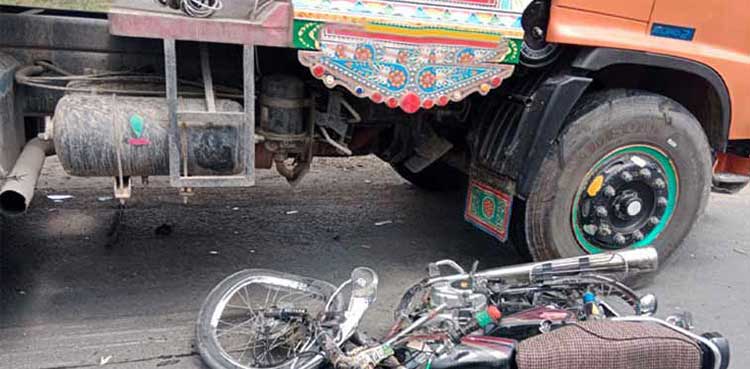
The construction of the Karachi Red Line BRT along University Road has indeed been described by residents and local media as a “death trap.” While there is no single “official” tally that captures every accident, reports highlight a series of tragic fatalities and constant safety hazards caused by open pits, sewage-filled craters, and heavy traffic.
Notable Fatalities Linked to Construction
Public outcry has intensified following several specific, high-profile tragedies:
- Toddler Fatality (Nipa Chowrangi): In early 2025, a three-year-old boy named Ibrahim died after falling into an open manhole near Nipa Chowrangi. A KMC report explicitly held Red Line BRT authorities responsible, noting that excavation had damaged the drainage system and that “substandard temporary covers” were used.
- Drowning Incidents: Just recently, in May 2026, two children (aged 10–12) drowned in a water-filled construction pit near a residential area linked to ongoing development.
- General Road Fatalities: In 2025 alone, Karachi recorded 803 road fatalities. While not all are exclusively due to the Red Line, experts and commuters point to the “well of death” conditions on University Road—specifically between Hasan Square and Jail Chowrangi—as a major contributor to daily motorcycle accidents.
Primary Safety Hazards
The primary causes of death and injury cited in recent reports include:
| Hazard | Impact on Commuters |
| Open Manholes/Craters | Often hidden by stagnant sewage water, making them invisible “traps” for motorcyclists and rickshaws. |
| Stalled Construction | Stretches of road left dug up for years (Lot 2 was recently terminated due to delays) force traffic into narrow, unlit lanes. |
| Lack of Barriers | Many excavation sites lack proper fencing or warning signs, leading to vehicles plunging into deep pits. |
| Heavy Traffic Congestion | Forced lane merging and broken road surfaces have turned minute-long trips into hours, increasing driver fatigue and risk-taking. |
Corruption & Malpractices:
Roads of Karachi have always been remained a source of business for governments. Questions have also emerged regarding financial transparency and project management. Mega infrastructure projects require disciplined oversight, technical expertise, and efficient resource allocation. However, the Red Line BRTS appears plagued by administrative bottlenecks, contractor inefficiencies, and possible cost escalations. Citizens increasingly wonder how a project with international support and substantial funding could continue causing such prolonged urban destruction without visible accountability.
Environmental Degradation:
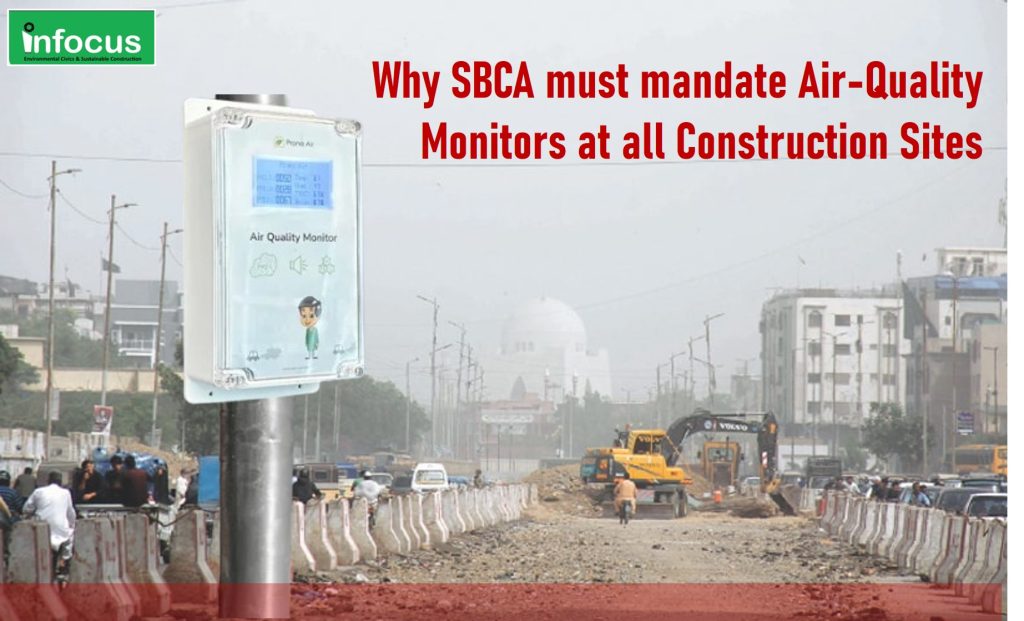
Environmental degradation is another serious consequence of the delayed project. Dust clouds generated from construction activity have significantly affected air quality in surrounding neighborhoods. Residents and shopkeepers continuously complain about respiratory problems, while roadside businesses remain covered in dirt and debris. Ironically, a project advertised as environmentally friendly has contributed heavily to urban pollution because of poor execution and delayed completion.
Many business owners claim their sales have dropped drastically because customers avoid the congested and damaged route altogether. While students and faculty members traveling to universities face exhausting daily commutes amid dust, noise, and severe traffic congestion. Parents remain concerned about safety conditions near construction zones, particularly during peak traffic hours.
Redline to Sindh Government:
The intervention of the Sindh High Court reflects growing judicial concern over public suffering and governmental delays. By imposing a two-month deadline, the court has effectively acknowledged the urgency of restoring normalcy on University Road. However, despite the judicial order, serious doubts remain regarding the ability of the Sindh government to meet the deadline successfully.
These doubts are not baseless. The government’s previous record on the Red Line BRTS project has been marked by miss commitments, repeated extensions, and inconsistent progress. Moreover, bureaucratic delays, coordination failures among departments, and contractor-related inefficiencies continue to undermine public confidence. Citizens have heard numerous assurances over the years, yet the condition of University Road continues to deteriorate.
The next two months will therefore serve as a critical test for the Sindh government. Without round-the-clock construction efforts, transparent monitoring mechanisms, and strict accountability measures, the deadline risks becoming another unfulfilled promise. If authorities fail once again to restore University Road despite clear judicial instructions, it would nothing but more public misery and distrust.
By
Editorial, Infocus.pk